Pasadena MD Commuter Housing for a Baltimore or DC Commute
May 28, 2026
May 28, 2026
Wondering if you can buy in Pasadena and still keep a workable Baltimore or DC commute? You are not alone. Many buyers want more house, a more suburban setting, and a location that still gives them access to major job centers. The good news is that Pasadena can work well for the right commuter, especially if you go in with a realistic plan. Let’s dive in.
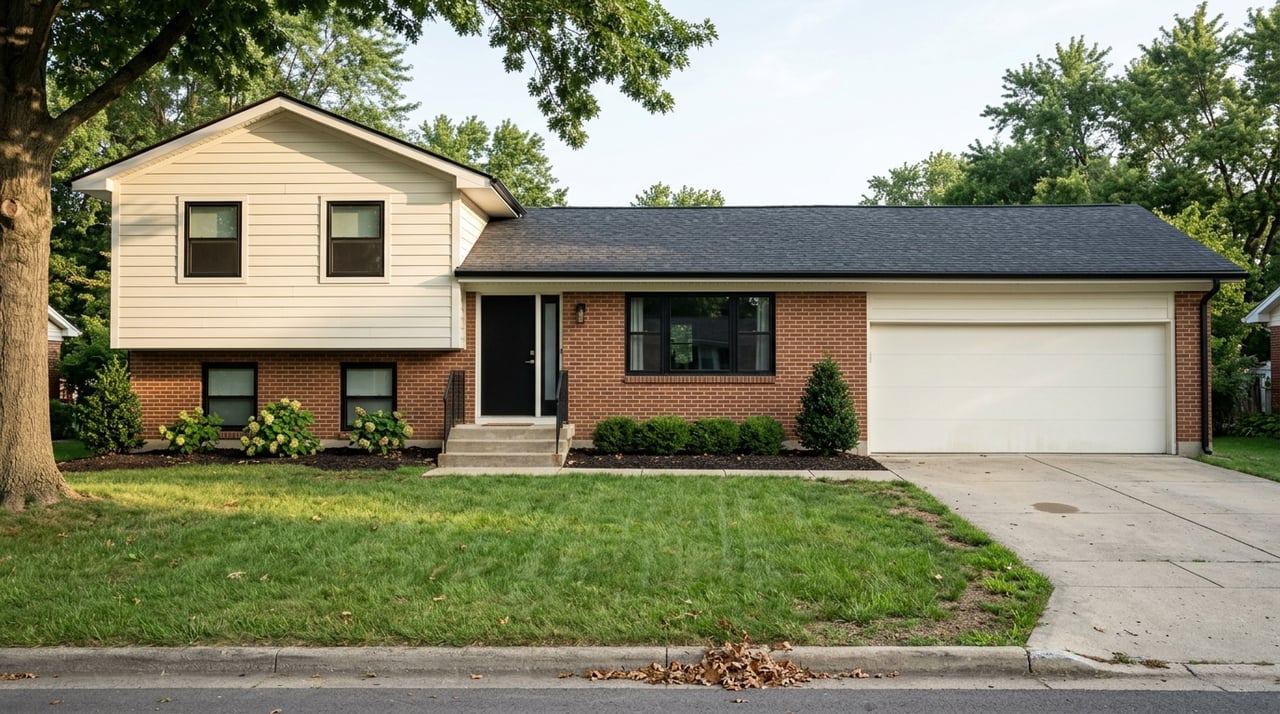
Pasadena offers a housing mix that fits a lot of buyer needs. According to the 2020-2024 ACS profile, the area has 12,978 housing units, with 55.5% made up of detached homes and 33.9% made up of attached homes. That gives you more variety than a one-note market.
The housing stock also leans toward larger layouts. Nearly half of homes have 3 bedrooms, and about 25.8% have 4 bedrooms. If you are trying to balance commute needs with space for work, storage, or future flexibility, that matters.
Ownership is also a big part of the local picture. The same ACS data shows an owner-occupancy rate of 83.7%. That helps explain why many buyers look to Pasadena as a place to put down roots while staying connected to Baltimore, Annapolis, or Washington.
Before you buy here, it helps to understand the basic commute reality. Pasadena and much of Anne Arundel County function as a car-first market. County transportation data shows 80.1% of workers drove alone, while only 3.7% used transit.
A county transit-planning survey paints the same picture in even clearer terms. It found that 93% of respondents said a car is their primary transportation, and 83% said the county needs transit improvements. In short, transit exists, but most people still plan their daily lives around driving.
That local pattern shows up in household vehicle counts too. In Pasadena, 44.7% of occupied homes have 2 vehicles available, and 31.1% have 3 or more. If you are hoping for a walk-to-rail lifestyle, Pasadena may feel limiting. If you are comfortable with driving, park-and-ride routines, or a mixed commute, it becomes much more realistic.
Pasadena benefits from access to several major regional routes. I-97 is the key north-south corridor, and US-50 is the main east-west route. Route 100, Route 32, I-295, I-695, and Route 214 also play important roles depending on where you work.
That said, route access is not the same as easy traffic. Local community feedback has flagged recurring pressure points at Route 2 during morning and evening rush, Route 100 backups, Benfield Road at I-97, and Route 2 at US 50. That is why the exact location of the home matters almost as much as the city name on the address.
If you work in or near Baltimore, Pasadena can be a practical home base. For many buyers, the most direct option is still driving. The regional road system gives you multiple ways to head north depending on your schedule and destination.
Transit can still play a role, but usually not as a one-seat ride from Pasadena. MTA Route 70 runs between Patapsco Station and Annapolis and includes a stop at Ritchie Highway and Pasadena Road. That makes it more of a feeder route into Patapsco Station and the Baltimore Light RailLink corridor than a direct downtown express.
For some commuters, that setup works well. You can drive or use feeder transit to connect into a larger regional system and avoid driving the full trip into the city core. Whether that feels convenient enough depends on your work hours, your final destination, and how much flexibility you need each day.
Pasadena tends to work best for Baltimore-area buyers who:
If your job is near a station or along the Light RailLink corridor, a hybrid commute may be worth testing before you buy.
A DC commute from Pasadena is possible, but it usually requires more planning. This is not the kind of location where you step out your front door and catch a train nearby. In most cases, commuting to Washington works best through a park-and-ride, commuter bus, or a drive to a MARC station.
MTA commuter bus routes 220, 230, and 260 connect Annapolis or Severna Park-area park-and-ride points with DC. The schedules are structured around weekday commuter service, with pickup-only morning stops and drop-off-only evening stops. That setup is usually a better match for a regular office schedule than for highly variable work hours.
MARC can also be part of the picture. The Penn Line runs primarily between Baltimore Penn Station, BWI Marshall Rail Station, and Union Station in Washington, DC. The Camden Line runs from Camden Station to Union Station with stops including Dorsey, Laurel, Muirkirk, Greenbelt, College Park, and Riverdale. For Pasadena buyers, that usually means driving to a station rather than boarding close to home.
Pasadena often works best for DC-area buyers who:
If your job requires daily flexibility, late nights, or frequent schedule changes, this setup may feel harder to manage.
Even if your main job is in Baltimore or DC, access to Annapolis can be a useful part of daily life. Anne Arundel County Transit says all fixed routes are fare free and offers local service plus regional connections. County Route 201 connects Arundel Mills and Pasadena and links into the broader county transit network, including Glen Burnie Light Rail Station and Arundel Mills Mall.
Annapolis also adds useful regional travel options. The city’s regional travel information notes that the BWI Express runs daily and free from Annapolis Mall to BWI terminals. It also notes that Baltimore or BWI to Annapolis trips can use Light Rail to Patapsco Station and then MTA Route 70.
For buyers who split time between offices, client meetings, airport travel, or different parts of Central Maryland, that wider network can add flexibility.
Pasadena is not a one-product housing market, which is part of its appeal. ACS data shows a strong base of detached homes, but there is also a meaningful share of attached housing. County planning feedback also describes the area as a mix that includes houses, townhomes, and senior-living homes in some redevelopment discussions.
That mix can be helpful if you are trying to match budget, commute, and maintenance preferences. Some buyers want a detached home with more room. Others may prefer a townhome if it helps them stay closer to a target budget while keeping access to major road corridors.
Price context also matters. The ACS estimates a median owner-occupied value of $423,400. More recent market trackers put Pasadena in the mid-$400,000s, with Zillow showing an average home value of $458,672 and a median sale price of $426,633 in March 2026, while Redfin reported a March 2026 median sale price of $449,000.
The smartest way to evaluate Pasadena is not by asking whether the town works in general. It is by asking whether a specific home works for your specific routine. A home that feels well located on paper can perform very differently at 7:15 a.m. on a Tuesday.
Test the full route during the hours you will actually travel. That means leaving from the neighborhood, getting onto the main road, reaching the highway or park-and-ride, and finishing the last leg of the trip. Local bottlenecks like Route 2, Route 100, Benfield Road at I-97, and Route 2 at US 50 can change the feel of a commute quickly.
If transit matters, map the entire chain instead of just the main line. Look at the trip from the home to county bus or park-and-ride, then to commuter bus or MARC, then the final mile after you arrive. Anne Arundel County Transit is fare free and provides real-time trip tools, but county planning documents also acknowledge that the network is still disconnected in some places.
Pasadena is usually strongest for buyers who want suburban housing choices and can live with a car-first commute. It is also a solid option for people who are comfortable blending driving with feeder transit, park-and-ride service, or rail from a nearby station.
It may be less compelling if your top priority is daily walkable transit access. The research supports Pasadena as a realistic base for Baltimore, Annapolis, and even DC workers, but the path is different for each. Baltimore often means driving or using Route 70 to reach Patapsco and the Light RailLink network, while DC is usually more realistic through commuter bus or MARC access points.
If you are trying to balance price, home size, and location, Pasadena is worth a serious look. The key is matching the property to the way you actually move through the week, not the way you hope the commute will work.
When you are ready to compare neighborhoods, home types, and realistic commute options in Pasadena, Jimmy Rupert can help you narrow the search and make a plan that fits your goals.
Stay up to date on the latest real estate trends.
Jimmy Rupert is a successful Maryland real estate agent and has helped hundreds of buyers and sellers turn their dreams into reality. Jimmy is committed to guiding you every step of the way-whether you’re buying or selling. Whatever your needs, he has you covered.
JIMMY RUPERT
OFFICE PH
(410) 255-3690
CELL PHONE
(443) 618-5917
[email protected]
8221 Ritchie Highway Ste 101 Pasadena, MD 21122